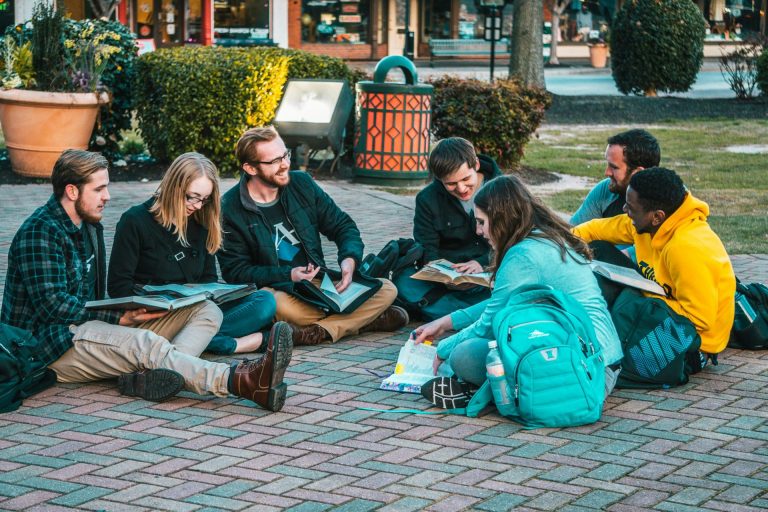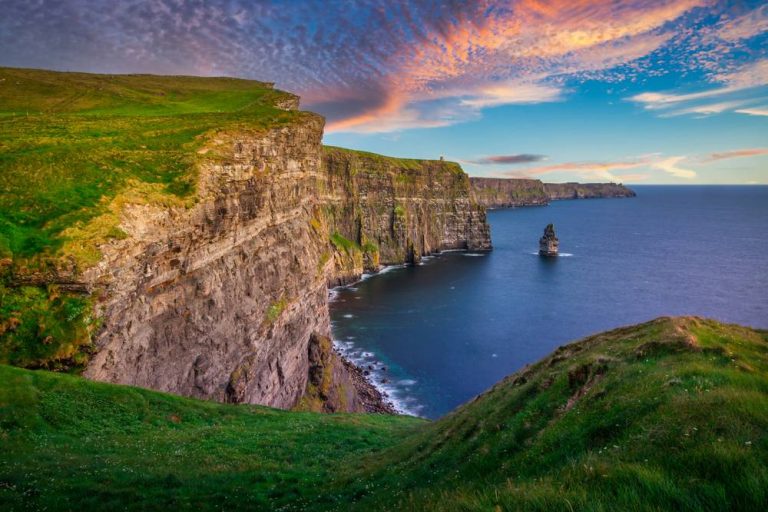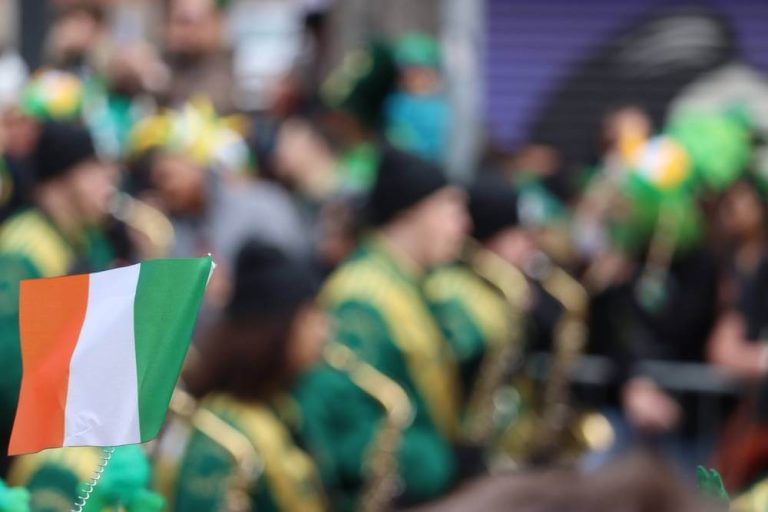
Dublin is one of Europe’s most vibrant and welcoming capital cities, offering an extraordinary setting for student life. Situated on the east coast of Ireland, where the River Liffey meets Dublin Bay, this historic city combines world-class universities with legendary hospitality, rich literary heritage, and a thriving contemporary culture. With over 85,000 students across its universities and colleges, Dublin has developed into one of Europe’s great student cities, where ancient history meets cutting-edge technology and the famous Irish craic makes everyone feel at home.
Trinity College Dublin is Ireland’s oldest and most prestigious university, ranked among the top 100 in the world and home to the world-famous Book of Kells. University College Dublin (UCD) is Ireland’s largest university and a global leader in research across multiple disciplines. Dublin City University (DCU) is renowned for innovation and industry connections, while Technological University Dublin (TU Dublin) is Ireland’s first technological university with strengths in creative and technical fields. Together with other institutions, they welcome students from over 150 countries, creating one of Europe’s most international and dynamic student communities.
The Best Neighbourhoods for International Students
Dublin’s student areas spread across the city, with choices depending on which university you attend and your lifestyle preferences. Most students choose to live in Rathmines, Ranelagh, Drumcondra, the City Centre, Phibsborough, Glasnevin, or near their specific campus. Dublin’s excellent public transport connects all areas, making most neighbourhoods accessible regardless of where you study.
Rathmines
Rathmines is Dublin’s quintessential student neighbourhood and has been the heart of Dublin student life for generations. This vibrant area just south of the city centre is packed with cafes, restaurants, pubs, and shops along its busy main street, creating a lively atmosphere day and night. The distinctive red-brick Victorian and Edwardian buildings give the area real character.
The neighbourhood features classic Dublin redbrick houses, many converted into student flats and shared houses. Rathmines is well positioned for Trinity College, UCD, and the city centre, with excellent bus connections and the Luas Green Line nearby at Ranelagh. The area has supermarkets, independent shops, and a thriving food scene. Rathmines suits students who want to be at the centre of student social life with easy access to multiple universities. Average weekly rent ranges from €160 to €220.
Ranelagh
Ranelagh is one of Dublin’s most desirable neighbourhoods, offering a village-like atmosphere with excellent amenities. Located adjacent to Rathmines and connected to the city centre by the Luas Green Line, this leafy area has become increasingly popular with students seeking a more refined environment while remaining well connected.
The neighbourhood features elegant Victorian terraces along tree-lined streets, with Ranelagh village offering boutique shops, excellent restaurants, and popular cafes. The Triangle in Ranelagh is a hub of activity. Herbert Park provides green space nearby. Ranelagh suits students who appreciate a sophisticated atmosphere and convenient Luas access to both the city centre and further south towards UCD. Average weekly rent ranges from €180 to €250.
Drumcondra
Drumcondra is the natural home for Dublin City University students, located just south of the DCU campus on the city’s northside. This established residential neighbourhood offers excellent value and a genuine community feel, with a main street featuring local shops, cafes, pubs, and all the amenities students need.
The area features a mix of traditional redbrick terraces and more modern housing. Croke Park, Ireland’s iconic GAA stadium, is nearby, adding to the area’s character. The city centre is about 20 minutes by bus or a pleasant walk along the Royal Canal. Drumcondra suits DCU students and those seeking good value accommodation with easy northside access. Average weekly rent ranges from €140 to €190.
City Centre
Dublin’s city centre offers purpose-built student accommodation and apartments within walking distance of Trinity College Dublin and TU Dublin’s city centre campuses, as well as all the shops, restaurants, cultural attractions, and nightlife the capital has to offer.
Living centrally puts you in the heart of Dublin’s action. The Northside offers areas like Smithfield and the Docklands with modern PBSA developments, while the Southside has options around Camden Street and Portobello. You’ll have immediate access to Temple Bar, Grafton Street, and the creative quarters. City centre living suits students who want urban convenience and don’t mind higher costs for the ultimate Dublin experience. Average weekly rent for PBSA ranges from €200 to €320.
Phibsborough
Phibsborough is one of Dublin’s up-and-coming neighbourhoods, increasingly popular with students seeking good value close to the city centre. Located on the northside, this diverse area has a thriving local high street and a growing reputation for independent cafes, restaurants, and creative businesses.
The neighbourhood features Victorian redbricks at more affordable rents than southside equivalents. Dalymount Park, home of Bohemian FC, adds local character. The Royal Canal provides pleasant walking and cycling routes. The city centre is about 15 to 20 minutes’ walk. Phibsborough suits students who appreciate emerging neighbourhoods and want good value with easy city centre access. Average weekly rent ranges from €140 to €195.
Glasnevin
Glasnevin is a pleasant residential area north of the city centre, convenient for Dublin City University and TU Dublin’s Grangegorman campus. This established neighbourhood offers good value accommodation and genuine local character, with the famous Glasnevin Cemetery and the National Botanic Gardens providing unique green spaces.
The area has local shops and amenities along Glasnevin village. The Botanic Gardens are a beautiful escape from city life and free to enter. Good bus connections link to the city centre in about 20 minutes. Glasnevin suits students attending northside universities who want a quieter residential environment with excellent green spaces. Average weekly rent ranges from €135 to €185.
Dún Laoghaire
Dún Laoghaire is a coastal town south of Dublin city, popular with students attending UCD and IADT (Institute of Art, Design and Technology). This attractive seaside area offers a different pace of life, with a Victorian harbour, pier walks, and sea swimming on your doorstep.
The town has excellent amenities, restaurants, and pubs along its main streets. The DART provides quick connections to the city centre (about 25 minutes) and Sandycove’s famous Forty Foot swimming spot is nearby. Dún Laoghaire suits students who love coastal living and don’t mind commuting. Average weekly rent ranges from €150 to €210.
Getting to Dublin as an International Student
Dublin is exceptionally well connected internationally, with Dublin Airport serving as one of Europe’s major hubs. The city’s position makes it a gateway between Europe and North America, with excellent connections to destinations worldwide.
Dublin Airport
Dublin Airport is Ireland’s main international airport, located approximately 10 kilometres north of the city centre. It’s one of the busiest airports in Europe with direct flights to over 190 destinations across Europe, North America, the Middle East, and beyond. Major airlines, including Aer Lingus, Ryanair, and numerous international carriers, operate from Dublin.
The Airlink Express (routes 747 and 757) runs every 15 to 20 minutes to the city centre, taking approximately 30 minutes and costing around €7 single or €12 return. Dublin Bus routes 16 and 41 also serve the airport at a lower cost. A taxi to the city centre costs approximately €25 to €35. Many universities offer airport collection services for international students during arrival periods.
Shannon and Cork Airports
Shannon Airport on Ireland’s west coast and Cork Airport in the south offer alternative arrival points, particularly for transatlantic flights. Both have bus and rail connections to Dublin, though Dublin Airport remains the most convenient option for most international students.
Ferry Connections
Dublin Port and Dún Laoghaire have ferry connections to the UK, with services to Holyhead in Wales taking approximately 2 to 3.5 hours. Irish Ferries and Stena Line operate regular services. This can be a cost-effective option for students bringing belongings or travelling from the UK.

Getting Around Dublin
Luas: Dublin’s light rail tram system has two lines. The Green Line runs from Broombridge through the city centre to Bride’s Glen, serving areas like Ranelagh and Sandyford. The Red Line runs from Saggart to The Point, serving Smithfield and Connolly Station. Single fares range from €1.70 to €3.00 with a Leap Card. The Luas is efficient, frequent, and popular with students.
Dublin Bus: An extensive bus network covers all of Dublin. Single fares are around €2.00 to €3.00 with a Leap Card (cash fares are higher). The 90-minute fare allows unlimited transfers for €2.00. Weekly capped fares make regular travel affordable. Key student routes include those serving UCD, DCU, and TU Dublin campuses.
DART: The Dublin Area Rapid Transit is a coastal suburban rail line running from Malahide and Howth in the north to Greystones in the south, passing through the city centre. It’s excellent for accessing coastal areas like Dún Laoghaire, Blackrock, and Howth. Fares range from €2.00 to €5.00 with a Leap Card.
Leap Card: The Leap Card is essential for Dublin transport. It offers discounted fares across Luas, Dublin Bus, DART, and Commuter Rail. Student Leap Cards offer further discounts. Weekly and monthly caps limit your spending regardless of how much you travel. Get one as soon as you arrive.
Cycling: Dublin is increasingly cycle-friendly with dedicated bike lanes on many routes. Dublin Bikes is a public bike-sharing scheme with stations across the city centre. Both universities have bicycle storage. Cycling is practical for the relatively flat city centre and a great way to get around.
Walking: Dublin’s city centre is compact and very walkable. Trinity College to Temple Bar takes about 5 minutes. Grafton Street to O’Connell Street is about 15 minutes across the Liffey. Many students walk to lectures if living centrally.
Universities in Dublin
Trinity College Dublin
Trinity College Dublin (TCD) is Ireland’s oldest and most prestigious university, founded in 1592. It consistently ranks among the top 100 universities in the world and is a member of the League of European Research Universities. The university has approximately 18,000 students in a stunning city-centre campus featuring historic cobblestoned squares and the world-famous Old Library housing the Book of Kells.
Trinity is renowned across virtually all disciplines, with particular strengths in Arts and Humanities, Law, Medicine, Computer Science, and Business. The campus itself is one of Dublin’s major tourist attractions, yet it remains a working academic community. Alumni include Oscar Wilde, Samuel Beckett, and Mary Robinson. International students from over 120 countries benefit from dedicated support services, and on-campus accommodation is available for some students.
University College Dublin (UCD)
University College Dublin is Ireland’s largest university with approximately 35,000 students. It’s a member of the prestigious Universitas 21 network and ranks among the top 1% of higher education institutions worldwide. The modern Belfield campus in south Dublin spans 133 hectares with state-of-the-art facilities.
UCD is particularly strong in Business (the Smurfit Business School is world-renowned), Agriculture and Food Science, Veterinary Medicine, Engineering, and Architecture. The campus has extensive sports facilities, Ireland’s largest university library, and on-campus accommodation. International students from over 140 countries benefit from comprehensive support services through UCD Global.
Dublin City University (DCU)
Dublin City University is Ireland’s University of Enterprise, known for innovation, industry engagement, and graduate employability. With approximately 18,000 students across three campuses, DCU has a dynamic, entrepreneurial culture and strong connections with technology companies and businesses.
DCU is particularly renowned for Business, Communications, Engineering, Computing, and Education. The university pioneered work placement programmes in Ireland and has exceptional graduate employment rates. The campus in Glasnevin has modern facilities including The Helix performing arts centre. International students from over 115 countries benefit from dedicated support through DCU International.
Technological University Dublin (TU Dublin)
TU Dublin is Ireland’s first technological university, formed in 2019 from the merger of three institutions. With approximately 30,000 students, it’s one of Ireland’s largest higher education providers, offering career-focused education with strong industry links across multiple campuses.
TU Dublin is particularly strong in Creative Arts, Tourism and Hospitality, Engineering, Computing, and Built Environment. The new Grangegorman campus is a major urban regeneration project creating a state-of-the-art city centre campus. The university emphasises practical skills and employability. International students benefit from dedicated support services across all campuses.
Cost of Living in Dublin for International Students
Dublin is one of the more expensive European capitals for students, reflecting Ireland’s strong economy and the city’s popularity. However, part-time work opportunities are good, and careful budgeting makes it manageable. The quality of life, safety, and opportunities justify the investment for many students.
Accommodation (Weekly)
Glasnevin: €135 to €185
Drumcondra: €140 to €190
Phibsborough: €140 to €195
Dún Laoghaire: €150 to €210
Rathmines: €160 to €220
Ranelagh: €180 to €250
University halls: €180 to €280
En-suite PBSA: €220 to €320
City centre studio: €280 to €400
Food, Transport and Other Costs
Budget around €200 to €300 per month for groceries. Aldi, Lidl, and Tesco offer good value. Asian supermarkets and international food shops are found throughout the city. Budget €80 to €120 per month for transport using a Student Leap Card with capped fares. Mobile phone SIM-only plans cost around €15 to €25 per month. Gym membership outside university facilities runs €30 to €50 per month, though most universities have excellent sports facilities.
Realistic Monthly Budget
Budget-conscious students can live on €1,200 to €1,500 per month in Dublin. A typical student spending on mid-range accommodation and moderate social activities should budget €1,500 to €2,000 per month. For immigration purposes, students must demonstrate access to €10,000 per year (or €6,000 if fees are already paid) plus evidence of tuition fee payment.
International Student Community in Dublin
Dublin has one of Europe’s most vibrant international student communities, with students from over 150 countries studying in the city. Trinity College Dublin Students’ Union offers over 120 societies and 50 sports clubs. UCD has over 100 societies including numerous cultural and nationality-based groups. DCU Students’ Union and TU Dublin unions offer additional societies and support.
All universities provide dedicated international student support including immigration advice, orientation programmes, buddy schemes, and English language support. The Irish are famous for their friendliness, and international students consistently praise the warm welcome they receive. The pub culture provides natural social spaces where friendships form easily.
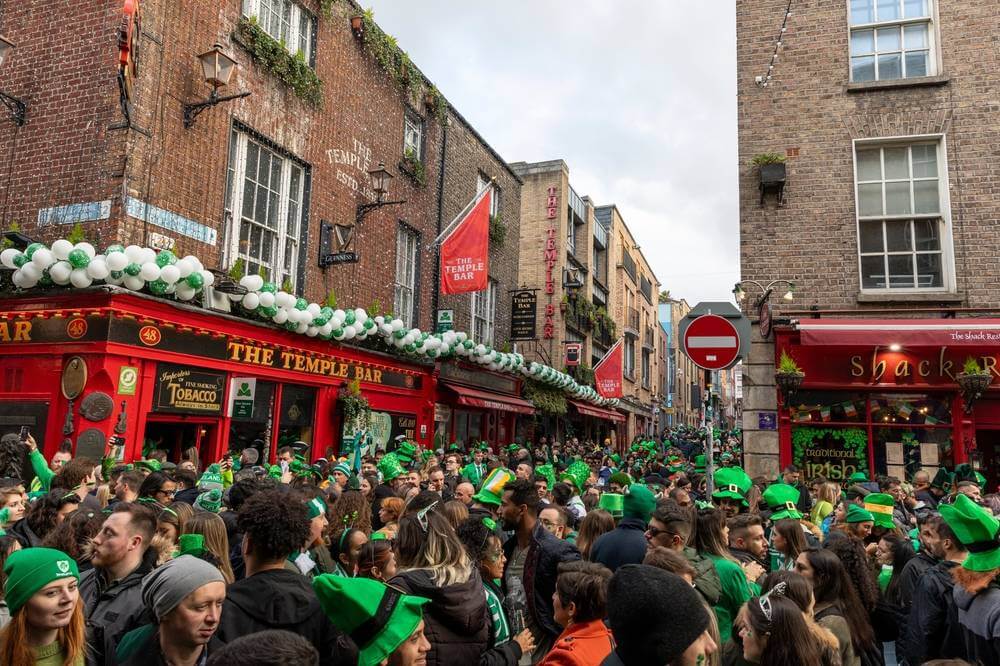
Dublin’s food scene has exploded in recent years. Temple Bar and the Creative Quarter have diverse restaurants and cafes. The Asian food scene around Parnell Street is excellent. Dublin has embraced street food with regular markets, including the weekly Dublin Flea Market. Traditional Irish food includes hearty stews, seafood, and the famous full Irish breakfast. And of course, no visit to Dublin is complete without experiencing fish and chips or a pint of Guinness in a traditional pub.
Dublin’s nightlife is legendary and diverse. Traditional pubs with live music sessions are found throughout the city, particularly around Temple Bar, though locals prefer less touristy spots like Stoneybatter, Portobello, and Wexford Street. The club scene centres on Harcourt Street and Camden Street. Live music venues like Whelan’s, The Workman’s Club, and Vicar Street host acts from emerging Irish artists to international stars. Student nights run throughout the week at various venues with affordable entry and drinks. Dublin’s musical heritage means live music is everywhere.
What Makes Dublin Special for International Students
Irish Welcome: The famous Irish hospitality is real. Dubliners are known for their friendliness, wit, and willingness to chat. International students consistently report feeling welcomed and included. The pub culture creates natural social spaces where friendships form easily over a pint.
Literary Heritage: Dublin is a UNESCO City of Literature. James Joyce, Oscar Wilde, W.B. Yeats, Samuel Beckett, and countless other literary giants called Dublin home. The Dublin Writers Museum, James Joyce Centre, and literary pub crawls celebrate this heritage. Bloomsday on 16th June celebrates Joyce’s Ulysses.
Traditional Music: Traditional Irish music sessions in pubs are a quintessential Dublin experience. Musicians gather informally to play jigs, reels, and ballads. You’ll find sessions throughout the city, from Temple Bar (touristy but fun) to local pubs in Stoneybatter and beyond. It’s magical and uniquely Irish.
Silicon Docks: Dublin is the European headquarters for Google, Facebook (Meta), LinkedIn, Twitter, and many other tech giants. The ‘Silicon Docks’ area provides exceptional internship and graduate opportunities in technology. Ireland’s favourable business environment means global companies recruit directly from Dublin’s universities.
Georgian Architecture: Dublin’s Georgian squares and streetscapes are among Europe’s finest. Merrion Square, Fitzwilliam Square, and the colourful doors of Dublin’s southside create an elegant urban environment. Trinity College’s campus is an architectural gem in itself.
The Book of Kells: Trinity College’s Old Library houses this 9th-century illuminated manuscript, one of the world’s most famous medieval artefacts. Trinity students can access the stunning Long Room library. It’s a daily reminder of the extraordinary heritage you’re part of.
Easy Escapes: Beautiful Irish countryside is remarkably close. Howth Head and Dún Laoghaire offer coastal walks within the DART network. The Wicklow Mountains are under an hour away. Galway, Cork, and the Wild Atlantic Way are easy weekend trips. Ireland’s natural beauty is never far.
Dublin FAQs
Is Dublin a good city for international students?
Absolutely. Dublin combines world-class universities with exceptional career opportunities in the tech sector, a welcoming culture, and a vibrant social scene. While costs are higher than some European cities, the quality of education, English-speaking environment, and job prospects make it excellent value. The famous Irish welcome means international students feel at home quickly.
What is the weather like?
Dublin has a mild maritime climate. Winters are cool but rarely severe (average 3-8°C) with occasional frost but rare snow. Summers are mild and pleasant (15-20°C). Rain is possible year-round; Ireland’s green landscape isn’t accidental! However, Dublin is actually one of Ireland’s drier areas. Layers and a waterproof jacket are essential. The Irish saying ‘four seasons in one day’ often applies.
Can I work while studying in Dublin?
Non-EU/EEA students with a Stamp 2 immigration permission can work up to 20 hours per week during term time and 40 hours per week during holidays (June to September and 15 December to 15 January). The tech sector, hospitality, and retail offer good opportunities. The minimum wage in Ireland is relatively high. EU/EEA students have no restrictions on working hours.
What is the craic?
‘Craic’ (pronounced ‘crack’) is an Irish word meaning fun, entertainment, and good times. ‘What’s the craic?’ means ‘What’s happening?’ or ‘How are you?’ ‘Good craic’ describes a great time. ‘The craic was mighty’ means you had an excellent evening. You’ll hear it constantly and be using it yourself within weeks. It perfectly captures the Irish approach to enjoying life.
Ready to Book Student Accommodation in Dublin?
Now that you have seen all that Dublin has to offer international students, it is time to explore our range of student accommodation options across Dublin and mainland Europe.